Common Reasons People Seek a Neurotheripst in Vivek Vihar
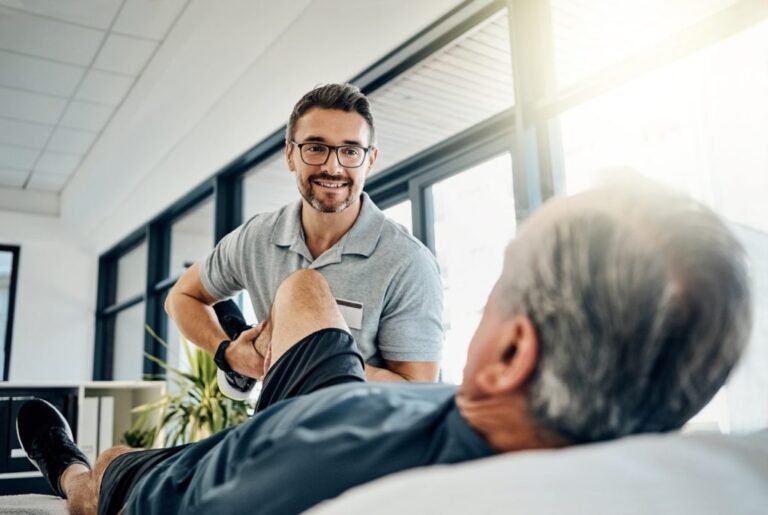
People experiencing persistent pain, movement difficulties, weakness, stress-related discomfort, or challenges with everyday physical function may explore different approaches to supportive care. For some, this may include consulting a Neurotheripst in Vivek Vihar to understand whether neurotherapy-based techniques may complement their overall wellness and rehabilitation plan. Neurotherapy is generally discussed as a complementary approach that focuses on the relationship between the nervous system, body function, movement, and overall wellbeing. However, it should not replace appropriate medical diagnosis or emergency care. Understanding why people seek this type of support can help you decide whether a consultation is appropriate for your situation.
For more information, connect with us on WhatsApp.
People may seek a Neurotheripst in Vivek Vihar for concerns such as persistent discomfort, restricted movement, muscular tension, stress-related symptoms, or difficulties with physical function. Neurotherapy may be considered as a complementary wellness approach, but neurological symptoms should first be appropriately assessed by a qualified medical professional when necessary.
What Is Neurotherapy?
Neurotherapy is a complementary approach that may use non-invasive techniques intended to support the body’s functional balance and nervous system-related wellbeing. Depending on the practitioner and approach, sessions may focus on areas such as movement, muscle function, relaxation, and physical comfort.
It is important to understand that neurotherapy is not the same as neurological diagnosis. Conditions such as stroke, epilepsy, Parkinson’s disease, multiple sclerosis, severe nerve disorders, or sudden neurological changes require appropriate medical assessment.
Therefore, someone considering neurotherapy should provide the practitioner with relevant medical information and should not discontinue prescribed medicines or conventional treatment without advice from their healthcare professional.
Why Do People Consult a Neurotheripst in Vivek Vihar?
People have different reasons for seeking complementary approaches. A consultation may be considered when someone wants additional support for a persistent concern or is looking for non-invasive wellness techniques alongside an established healthcare plan.
1. Persistent Muscular Discomfort
Ongoing muscular discomfort can affect work, sleep, exercise, and routine activities. Some people explore complementary therapies when discomfort continues despite lifestyle adjustments.
A practitioner may discuss the person’s symptoms, daily habits, movement patterns, and existing medical history before suggesting whether a session is appropriate.
Persistent or unexplained pain should not simply be attributed to muscle tension. A medical assessment may be necessary, particularly when symptoms are severe, worsening, or accompanied by other concerning signs.
2. Difficulty With Movement or Physical Function
Changes in balance, coordination, flexibility, or movement can make everyday tasks more difficult. Some individuals seek supportive therapies as part of a broader rehabilitation or wellness routine.
However, new difficulty walking, sudden weakness, loss of coordination, facial drooping, speech difficulty, or sudden numbness can indicate a medical emergency. Such symptoms require urgent medical attention rather than waiting for a complementary therapy appointment.
3. Support During Rehabilitation
Recovery after certain health conditions or injuries can involve several forms of professional care. Depending on the underlying condition, rehabilitation may include physiotherapy, occupational therapy, medical follow-up, exercise, and other supportive services.
Some people may additionally explore neurotherapy as a complementary option. The suitability of any additional approach depends on the person’s diagnosis, treatment plan, physical condition, and advice from relevant healthcare professionals.
4. Stress and Physical Tension
Long periods of stress can contribute to muscle tension, poor sleep, headaches, fatigue, and other physical complaints. People sometimes explore relaxation-focused or complementary therapies as part of their overall self-care routine.
Nevertheless, persistent anxiety, sleep problems, headaches, or unexplained physical symptoms deserve proper evaluation. Complementary care should support—not replace—appropriate medical or mental healthcare.
5. Interest in Non-Invasive Supportive Approaches
Some individuals prefer exploring non-invasive approaches when they are appropriate for their circumstances. This may be one reason someone searches for a local practitioner.
Before beginning any therapy, it is sensible to ask what the session involves, what the practitioner is qualified to provide, whether it is suitable alongside existing treatment, and what outcomes can realistically be expected.
When Should You Consider Professional Medical Evaluation First?
Not every neurological or physical symptom is appropriate for complementary therapy alone. Medical assessment is particularly important when symptoms are new, unexplained, severe, or getting worse.
Seek urgent medical care for warning signs such as:
- Sudden weakness or numbness, especially on one side
- Sudden difficulty speaking or understanding speech
- Sudden loss of balance or coordination
- A sudden, severe headache unlike usual headaches
- Loss of consciousness or a new seizure
- Sudden changes in vision
- Serious injury followed by neurological symptoms
For non-emergency but persistent symptoms, a physician or appropriate specialist can help identify the underlying cause and recommend evidence-based treatment or rehabilitation.
How to Choose a Neurotherapy Practitioner in Vivek Vihar
If you are considering a Neurotheripst in Vivek Vihar, focus on suitability and transparency rather than promises of guaranteed results.
Before booking, consider asking:
- What training and qualifications does the practitioner have?
- What does a typical session involve?
- Is the approach intended as complementary support?
- Can it be used alongside your existing treatment?
- What information should you bring to the first consultation?
- When should you seek medical evaluation instead?
A responsible practitioner should be comfortable explaining the scope and limitations of the approach. Be cautious of claims that a therapy can cure every neurological condition or replace necessary medical treatment.
What Can You Expect During an Initial Consultation?
An initial consultation may involve discussing your main concern, relevant health history, current symptoms, daily activities, and previous treatment. The practitioner may also ask about factors that affect your physical comfort or movement.
The exact process depends on the practitioner and the type of neurotherapy being offered. Ask questions if anything is unclear, and provide accurate information about medicines, diagnosed conditions, previous procedures, and ongoing treatment.
If your symptoms suggest an underlying neurological or medical condition that has not been evaluated, professional medical assessment should take priority.
Is Neurotherapy Suitable for Everyone?
There is no single complementary approach that is appropriate for everyone. Suitability depends on the individual’s symptoms, health status, diagnosis, current treatment, and the specific techniques being offered.
People with diagnosed neurological conditions should discuss additional therapies with their treating healthcare professional where appropriate. This is especially important when symptoms are changing or when a person is receiving medication, rehabilitation, or other ongoing care.
Ultimately, complementary therapy should form part of a sensible, individualized approach rather than being presented as a universal solution.
5 FAQs
Frequently Asked Questions
1. What does a neurotherapist do?
A neurotherapist may provide complementary techniques focused on areas such as physical function, movement, muscular tension, relaxation, and general wellbeing. The exact approach varies by practitioner. Neurotherapy should not be considered a substitute for diagnosis or treatment of neurological disease by a qualified medical professional.
2. When should I consult a Neurotheripst in Vivek Vihar?
You may consider a local neurotherapy consultation if you are looking for complementary support for concerns such as persistent physical discomfort, muscular tension, movement difficulties, or general wellness. If symptoms are sudden, severe, unexplained, or progressively worsening, seek appropriate medical evaluation rather than relying solely on complementary therapy.
3. Can neurotherapy replace neurological treatment?
No. Neurotherapy should not replace medical diagnosis, prescribed medication, surgery, physiotherapy, or other clinically indicated treatment. If you have a diagnosed neurological condition, discuss any complementary therapy with your treating healthcare professional to ensure that it fits safely within your overall care plan.
4. Is neurotherapy useful during rehabilitation?
Neurotherapy may be considered by some people as a complementary part of a broader rehabilitation or wellness routine. Its suitability depends on the individual’s condition and the techniques being provided. Rehabilitation plans should be based on the underlying diagnosis and may involve qualified physicians, physiotherapists, occupational therapists, or other healthcare professionals.
5. How do I choose a neurotherapy practitioner near Vivek Vihar?
Look for a practitioner who clearly explains their training, approach, scope of practice, and limitations. Ask how sessions are conducted and whether the approach can be used alongside your existing treatment. Avoid practitioners who promise guaranteed cures or advise stopping medically prescribed treatment without consulting your doctor.
Conclusion
Understanding why people seek complementary neurological and wellness support can make it easier to choose the right type of care. A Neurotheripst in Vivek Vihar may be considered for concerns such as persistent physical discomfort, movement difficulties, muscular tension, or general supportive wellness. However, neurotherapy should not replace appropriate medical diagnosis or clinically indicated treatment.
If symptoms are sudden, severe, unexplained, or worsening, medical evaluation should come first. For non-emergency concerns, discuss your health history and existing treatment openly with the practitioner before beginning sessions. Choosing MR. NAWAL KISHORE who explains the approach, limitations, and expected process can help you make a more informed decision about whether neurotherapy is appropriate for your individual needs.