Neurotherapist in East Delhi: Understanding Neurotherapy and Its Potential Benefits
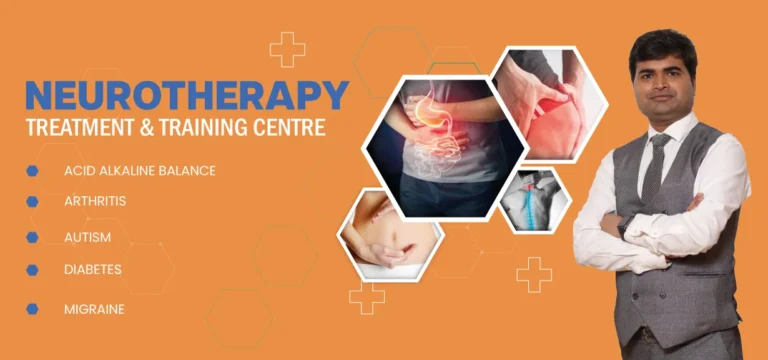
When exploring complementary approaches to health and wellness, many people search for a Neurotheripst in East delhi to learn whether neurotherapy may suit their needs. Neurotherapy is a hands-on approach used by some practitioners who focus on the relationship between the nervous system, muscles, movement, and the body’s responses. Before choosing a treatment, it is important to understand what neurotherapy involves, what practitioners claim it may help with, and where its limitations lie.
For more information, connect with us on WhatsApp.
A neurotherapist in East Delhi offers sessions based on the neurotherapy techniques used by their practice, which may include hands-on methods. The suitability and potential benefits depend on the person’s symptoms, the practitioner’s qualifications, and the available clinical evidence. Consult Nawal Kishore before using neurotherapy for a medical condition.
What Is Neurotherapy?
Neurotherapy is a complementary therapeutic approach in which practitioners use specific manual techniques and apply pressure to selected areas of the body. Depending on the practitioner and method, sessions may focus on muscles, joints, circulation, and bodily responses.
The term can have different meanings in different healthcare settings. It should not be confused with neurofeedback, which uses real-time information about brain activity, or with neurological rehabilitation delivered by qualified healthcare professionals.
Neurotherapy is not a substitute for medical diagnosis or established treatment. Evidence supporting specific neurotherapy techniques varies, so patients should ask practitioners about their training, the proposed treatment plan, and the available scientific evidence.
How Does Neurotherapy Work?
Practitioners who offer manual neurotherapy generally assess a person’s symptoms, physical comfort, movement, and relevant health history before recommending techniques. A session may involve applying controlled pressure to selected body areas or using other hands-on methods.
The approach is often presented as a way to support the body’s natural regulatory processes. However, explanations of how these techniques affect particular diseases are not always supported by strong clinical evidence.
A responsible practitioner should explain the purpose of each technique, discuss possible discomfort or risks, and avoid promising a cure. If symptoms suggest an underlying medical condition, appropriate medical assessment should take priority.
Potential Benefits of Neurotherapy
Some people explore complementary therapies as part of a broader approach to managing discomfort and improving everyday function. The possible benefits depend on the technique, the individual’s condition, and the quality of the available evidence.
1. Support for Muscular Comfort
People experiencing muscle tightness or general physical discomfort may seek hands-on therapies for relief. Gentle manual techniques can feel relaxing for some individuals, but this does not establish that neurotherapy treats the underlying cause of persistent pain.
2. Relaxation and General Well-Being
A calm treatment environment and a structured appointment may help some people feel relaxed. However, responses differ, and neurotherapy should not be presented as a proven treatment for anxiety, depression, or other mental health conditions.
3. Awareness of Movement and Physical Comfort
Depending on the approach used, a session may encourage people to pay attention to posture, movement, and areas of discomfort. For ongoing mobility difficulties, a qualified physiotherapist or rehabilitation specialist can recommend evidence-based exercises and functional assessments.
4. A Complementary Part of a Care Plan
Some individuals consider complementary therapies alongside conventional care. This should happen only when appropriate, with the treating medical professional informed about the additional therapy. Prescribed medicines, rehabilitation, or other recommended treatments should not be stopped without medical advice.
Who Might Consider Consulting a Neurotherapist?
People interested in complementary manual therapies may want an initial consultation to discuss their symptoms and expectations. However, the suitability of neurotherapy depends on the individual’s health history and the techniques involved.
Consider seeking advice from a qualified healthcare professional first if you have:
- Persistent or recurring muscle or joint pain.
- Restricted movement that affects daily activities.
- Discomfort that has not improved with appropriate self-care.
- An existing medical condition that could affect the safety of hands-on treatment.
- Questions about whether a complementary therapy can fit into your current treatment plan.
A neurotherapist should not diagnose serious diseases or advise patients to delay necessary medical care. Symptoms such as sudden weakness, facial drooping, difficulty speaking, a sudden severe headache, or new loss of coordination require emergency medical assessment.
How to Choose a Neurotherapist in East Delhi
Finding a suitable practitioner involves more than comparing session fees or reading online reviews. Consider the following factors before making an appointment.
Check Training and Professional Credentials
Ask about the practitioner’s education, practical training, professional registration where applicable, and experience with the technique being offered. The title “neurotherapist” alone does not establish medical qualifications or authorization to diagnose and treat disease.
Discuss Your Symptoms Before Treatment
A responsible practitioner should ask about your symptoms, medical history, current medicines, previous treatments, and any relevant investigations. They should also identify situations in which medical referral is more appropriate.
Understand the Proposed Treatment Plan
Ask what a session involves, how progress will be assessed, what risks may apply, and what the total expected cost could be. Be cautious of guaranteed results, claims to cure multiple unrelated diseases, or pressure to purchase a large package in advance.
Consider Location and Accessibility
If you are looking for a Neurotheripst in East delhi, check the clinic’s exact address, appointment availability, accessibility, and contact details before visiting. People travelling from areas such as Preet Vihar, Laxmi Nagar, Mayur Vihar, or Shahdara should confirm the location rather than assume a clinic serves every part of East Delhi.
What Happens During a Neurotherapy Consultation?
An initial appointment commonly begins with a discussion of your concerns and health history. The practitioner may ask when the symptoms started, what makes them better or worse, and whether you have received a medical diagnosis.
If hands-on treatment is considered appropriate, the practitioner should explain the proposed techniques and obtain your consent. You should be able to ask questions or stop the session if you feel uncomfortable.
Before attending, bring relevant medical reports and a list of medicines if these may affect your care. Tell the practitioner about recent surgery, injuries, pregnancy, bleeding disorders, or other health concerns that could influence treatment safety.
After the appointment, monitor your symptoms and discuss any worsening or unexpected effects with an appropriate healthcare professional. Persistent symptoms deserve reassessment rather than repeated complementary treatment without investigating the cause.
Is Neurotherapy Scientifically Proven?
The evidence depends on the specific technique and condition being treated. Some manual therapies may offer short-term relief for certain musculoskeletal complaints, but that evidence cannot automatically be applied to every practice described as neurotherapy.
Claims that neurotherapy can cure neurological disorders, diabetes, infertility, or other complex medical conditions require strong condition-specific clinical evidence. Patients should be cautious when such claims are made without reliable research.
For a sound decision, compare the proposed therapy with established care options and ask what evidence supports its use for your particular concern. A complementary approach should support informed healthcare decisions, not replace appropriate diagnosis or treatment.
Frequently Asked Questions
1. What is neurotherapy, and how does it differ from physiotherapy?
Neurotherapy is a term used for certain complementary therapeutic approaches, often involving manual techniques. Physiotherapy is a regulated healthcare profession in India with established methods for assessing movement problems, rehabilitation, and functional recovery. The two are not interchangeable, so ask about a practitioner’s qualifications and the evidence supporting the treatment they recommend.
2. What conditions do people commonly seek neurotherapy for?
People may explore neurotherapy for general physical discomfort, muscle tightness, or other wellness concerns. However, evidence for its effectiveness varies by technique and condition. It should not be assumed to treat neurological disorders or chronic diseases. Consult an appropriate medical specialist to identify the cause of persistent symptoms and discuss evidence-based treatment options.
3. How do I choose a qualified neurotherapist in East Delhi?
Check the practitioner’s education, relevant training, experience, and professional credentials. Ask about the treatment method, potential risks, expected costs, and evidence supporting its use for your concern. A trustworthy practitioner will explain limitations, respect your consent, and recommend medical evaluation when symptoms require further investigation.
4. How many neurotherapy sessions might be needed?
There is no universally established number of neurotherapy sessions. The duration and frequency depend on the technique, the person’s needs, and whether there is measurable improvement. Before starting, ask for a clear treatment plan and review progress regularly. Avoid practitioners who guarantee recovery or insist on extensive prepaid sessions without reassessment.
5. Is neurotherapy a replacement for conventional medical treatment?
No. Neurotherapy should not replace medical diagnosis, prescribed medicines, physiotherapy, or other evidence-based treatments when these are needed. Anyone with persistent symptoms or a diagnosed condition should discuss complementary therapies with their treating healthcare professional. Sudden neurological symptoms, such as facial drooping or difficulty speaking, require emergency medical care.
Conclusion
Choosing a neurotherapist in East Delhi begins with understanding the therapy, checking the practitioner’s qualifications, and evaluating whether the proposed approach is appropriate for your needs. Although some people explore complementary therapies for physical comfort and general well-being, their effectiveness varies, and claims about treating specific diseases require reliable clinical evidence. Before starting sessions, discuss your symptoms, medical history, treatment options, and expected costs with a qualified professional. If you have persistent discomfort or unexplained symptoms, seek an appropriate medical assessment rather than delaying care. Review the clinic’s credentials and treatment approach carefully, ask questions, and make an informed decision that prioritizes your safety and long-term health.