Common Conditions That May Benefit from Neurotherapy Treatment in North Delhi
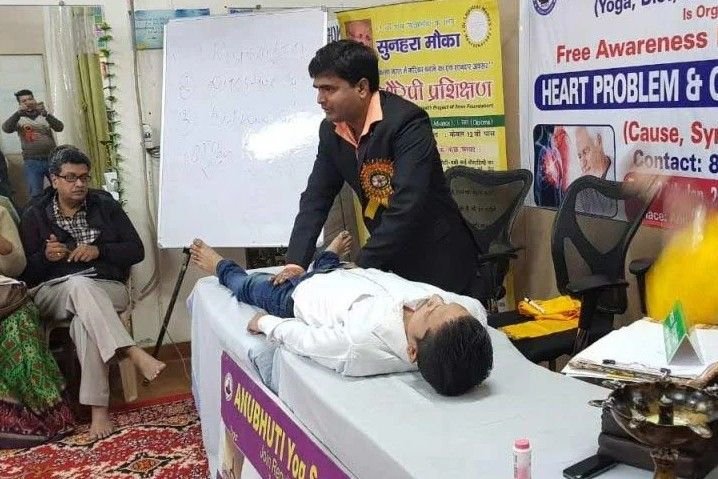
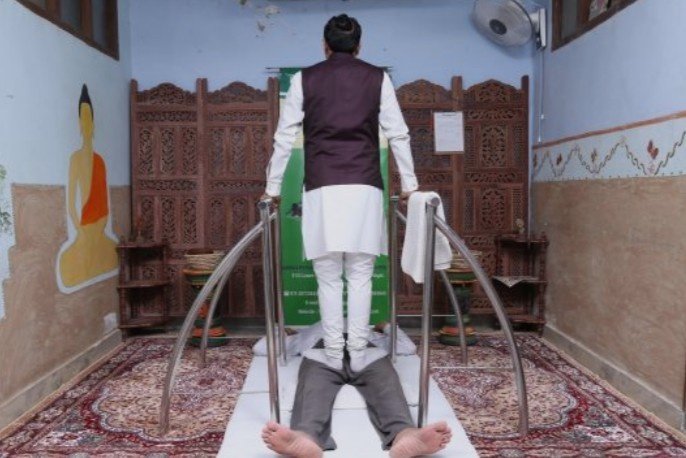
People dealing with recurring pain, stiffness, reduced mobility, or certain functional difficulties often look for approaches beyond routine symptom management. Neurotherapy treatment in North Delhi is one option people may explore as part of a broader approach to physical well-being. Neurotherapy practitioners generally focus on the relationship between the nervous system, muscles, movement, and the body’s responses. However, neurotherapy is not suitable for every condition, and its role can vary depending on the individual’s symptoms and diagnosis. Understanding where it may be considered—and when conventional medical evaluation is necessary—can help you make an informed decision about your care.
For more information, connect with us on WhatsApp.
Neurotherapy may be considered by some people experiencing concerns such as muscular tension, certain types of pain, stiffness, mobility difficulties, or stress-related physical symptoms. Suitability depends on the underlying cause. A qualified practitioner should assess the person’s symptoms and recommend an appropriate approach rather than treating symptoms alone.
What Is Neurotherapy?
Neurotherapy is a complementary therapeutic approach that focuses on the interaction between the nervous system and the body’s physical functions. Practitioners may use manual techniques or other non-invasive approaches with the aim of supporting relaxation, movement, and functional comfort.
The term can refer to different approaches depending on the practitioner or clinic. Therefore, it is important to ask what specific techniques are being offered and how they relate to your particular concern.
Neurotherapy should also not be considered a replacement for diagnosis or treatment from a qualified medical professional when symptoms could indicate an underlying neurological, musculoskeletal, or other medical condition.
Conditions People May Explore Neurotherapy For
The suitability of neurotherapy depends heavily on the cause and severity of a person’s symptoms. Some people may explore it as a complementary option for the following concerns.
Chronic or Recurring Pain
Persistent pain can affect sleep, movement, work, and everyday activities. Pain may arise from many causes, including musculoskeletal problems, nerve-related conditions, injuries, or underlying diseases.
Some individuals explore complementary therapies to support comfort alongside appropriate medical care. Before starting treatment, persistent or unexplained pain should be professionally evaluated so that its underlying cause is not overlooked.
Muscle Stiffness and Tension
Long periods of sitting, repetitive activity, poor movement patterns, physical strain, or stress can contribute to muscle tension and stiffness.
A practitioner may assess movement and muscular tension and use appropriate techniques as part of a supportive care plan. However, sudden or severe stiffness, particularly when accompanied by neurological symptoms, requires medical assessment rather than relying solely on complementary therapy.
Mobility and Movement Difficulties
Difficulty moving comfortably can result from injury, deconditioning, joint problems, neurological conditions, or other health concerns.
For people with movement limitations, the first step should be identifying the underlying cause. Depending on that cause, physiotherapy, occupational therapy, medical treatment, rehabilitation, or other specialist care may be recommended. Neurotherapy may sometimes be explored as a complementary approach rather than a substitute for established rehabilitation.
Stress-Related Physical Discomfort
Stress can contribute to muscle tension and may influence how a person experiences physical discomfort. Relaxation-focused therapies may help some people feel more comfortable as part of an overall wellness routine.
However, ongoing anxiety, sleep problems, persistent pain, or other significant symptoms should be discussed with an appropriate healthcare professional. Addressing the underlying issue is more important than simply managing physical symptoms.
Recovery After Certain Injuries
Following an injury, recovery often involves gradual restoration of strength, flexibility, coordination, and normal movement.
A structured rehabilitation programme should be based on the injury and professional assessment. Depending on the situation, a person may work with an orthopaedic specialist, physiotherapist, or other healthcare professional. Complementary approaches should be discussed with the treating team, particularly after significant injuries or surgery.
Neurotherapy Treatment in North Delhi: When Should You Seek Professional Guidance?
Choosing a therapy based only on a symptom can sometimes delay appropriate diagnosis. If you have persistent or unexplained symptoms, consider getting a medical assessment before beginning any complementary treatment.
Professional evaluation is particularly important if you experience:
- Sudden weakness or loss of movement
- Numbness or significant changes in sensation
- Difficulty speaking or understanding speech
- Loss of balance or sudden coordination problems
- Severe or rapidly worsening pain
- Symptoms following a major injury
- New bladder or bowel control problems
- Severe headache accompanied by neurological symptoms
Some of these symptoms can indicate a medical emergency. For example, sudden weakness, facial drooping, speech difficulty, or severe balance problems can occur with stroke and require urgent medical attention.
How to Choose a Neurotherapy Practitioner
If you are considering neurotherapy, look beyond location alone. A responsible consultation should begin with understanding your symptoms and health history.
Before starting, ask:
- What approach or techniques are being used?
- Is the practitioner appropriately trained for the service being offered?
- Will my symptoms require medical evaluation first?
- What should I reasonably expect from the sessions?
- When should I stop treatment or seek another healthcare professional?
A good practitioner should be comfortable discussing limitations and referring you to a doctor or other specialist when your symptoms fall outside their scope of practice.
Making Neurotherapy Part of a Responsible Care Plan
Complementary therapies work best when they are considered within the wider context of a person’s health. Depending on the condition, an appropriate care plan could involve medical assessment, physiotherapy, exercise, rehabilitation, lifestyle changes, medication, or specialist treatment.
Rather than looking for a therapy that promises to address every problem, focus on understanding your symptoms and identifying the most appropriate form of care. Keeping your healthcare providers informed can also help avoid conflicting treatments or unnecessary delays in diagnosis.
Neurotherapy treatment in North Delhi may be explored for concerns such as muscle tension, certain forms of pain, stiffness, movement difficulties, and stress-related physical discomfort. Its suitability depends on the underlying cause and individual health needs. Professional assessment is important, especially for persistent, unexplained, severe, or neurological symptoms.
5 FAQs
Frequently Asked Questions
What conditions can neurotherapy help with?
Neurotherapy may be explored as a complementary approach for concerns such as muscle tension, certain types of pain, stiffness, and movement-related discomfort. The appropriate approach depends on the cause of the symptoms. Persistent, severe, or unexplained problems should first be assessed by an appropriately qualified healthcare professional.
Is neurotherapy suitable for neurological problems?
Neurotherapy should not automatically be considered a treatment for a diagnosed neurological disorder. Conditions affecting the brain, spinal cord, or nerves require appropriate medical diagnosis and management. Complementary therapy may sometimes form part of supportive care, but this should be discussed with the patient’s doctor or rehabilitation team.
What should I expect during a neurotherapy session?
A session generally begins with a discussion of your symptoms, health history, and concerns. The practitioner may assess relevant physical or movement-related factors before selecting appropriate techniques. Ask about the purpose, expected effects, potential risks, and limitations of any treatment before proceeding.
How do I choose a neurotherapy practitioner in North Delhi?
Look for a practitioner who clearly explains their training, treatment approach, scope of practice, and limitations. They should also recognize when referral to a doctor, physiotherapist, or specialist is appropriate. During your consultation, provide complete information about existing diagnoses, medications, injuries, and other treatments.
Can neurotherapy replace medical treatment or physiotherapy?
No, neurotherapy should not automatically replace medically indicated treatment or rehabilitation. Depending on the condition, a person may require medical care, physiotherapy, medication, surgery, or another evidence-based intervention. If you are already receiving treatment, discuss complementary therapies with your healthcare provider before adding them to your care plan.
Conclusion
Neurotherapy may be considered by some people experiencing muscle tension, certain types of pain, stiffness, movement difficulties, or other physical discomforts. However, the right approach depends on the underlying cause, individual health history, and the scope of the practitioner’s expertise. Neurotherapy treatment in North Delhi should therefore be approached as part of an informed care plan rather than as a guaranteed solution for a particular condition. If symptoms are persistent, unexplained, severe, or accompanied by neurological warning signs, seek appropriate medical evaluation first. For less urgent concerns, Dr. Nawal Kishore can discuss your symptoms, explain the available approach, and help determine whether neurotherapy is appropriate for your needs.