
Neurotherapy in West Delhi: A Natural Approach to Managing Common Health Concerns
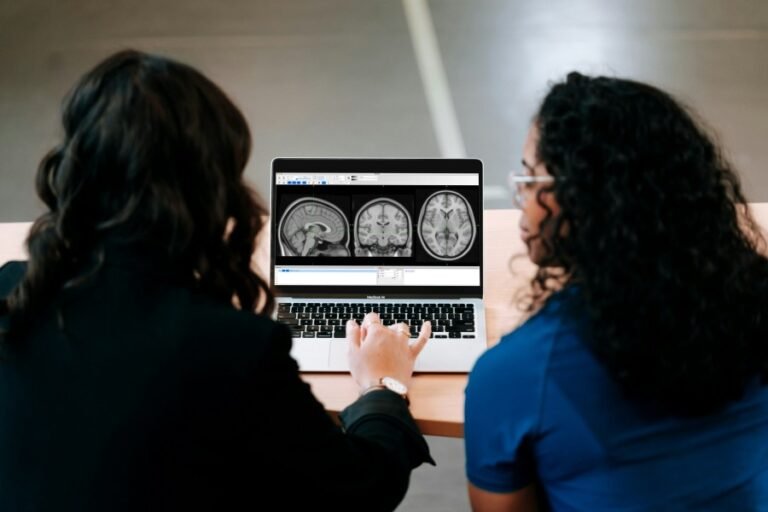
Modern lifestyles often bring long working hours, stress, poor sleep, limited physical activity, and recurring discomfort. As a result, many people look for supportive approaches that focus on overall well-being rather than only short-term symptom relief. Neurotherapy in West Delhi is one such approach that some people explore as part of a broader wellness and healthcare plan. Neurotherapy is generally described as a complementary approach that focuses on the relationship between the nervous system, body functions, and overall well-being. However, it should not replace appropriate medical diagnosis or evidence-based treatment. The right approach depends on the individual’s symptoms, health history, and professional assessment.
For more information, connect with us on WhatsApp.
Neurotherapy is a complementary wellness approach that focuses on the nervous system and its connection with different body functions. People may explore it for concerns such as stress, muscular discomfort, sleep difficulties, or general wellness. Sewa Foundation assess each person individually, while persistent or serious symptoms require medical evaluation.
What Is Neurotherapy?
The nervous system plays a central role in communication between the brain and the rest of the body. It helps regulate movement, sensation, coordination, and many automatic body functions.
Neurotherapy approaches may use specific stimulation, pressure, touch, or other techniques depending on the practitioner’s training and therapeutic method. The goal is generally to support the body’s functional balance and encourage relaxation or improved regulation.
However, it is important to understand that the term “neurotherapy” can refer to different practices. Therefore, patients should ask the practitioner what specific technique they use, what it is intended to address, and what evidence supports that approach.
Why Are People Exploring Neurotherapy in West Delhi?
People today increasingly take interest in complementary wellness options. In West Delhi, this may include individuals looking for additional support alongside conventional healthcare.
Some common reasons people may enquire about neurotherapy include:
- Everyday stress and tension
- Muscular tightness or general body discomfort
- Sleep-related difficulties
- Fatigue associated with demanding routines
- Concerns related to relaxation and overall wellness
- Support during physical rehabilitation, when recommended appropriately
Importantly, these concerns can have many different causes. For example, persistent fatigue may relate to sleep problems, nutritional deficiencies, medication effects, thyroid disorders, infections, or other medical conditions. Therefore, identifying the underlying cause remains essential.
Common Health Concerns That May Prompt a Consultation
Stress and Relaxation
Long-term stress can affect sleep, concentration, muscle tension, and general quality of life. Relaxation-focused complementary therapies may help some people feel more comfortable and manage everyday tension.
Still, severe or persistent anxiety, depression, panic symptoms, or major changes in mood require assessment by an appropriate healthcare professional.
Muscular Discomfort and Tension
Poor posture, prolonged sitting, repetitive activities, and physical strain can contribute to muscular discomfort. A complementary therapy may form part of a broader approach that also includes appropriate exercise, physiotherapy, ergonomic changes, and medical assessment when necessary.
Sleep Difficulties
Sleep plays an important role in physical and mental well-being. A person experiencing occasional sleep difficulty may explore relaxation-based approaches while also improving sleep habits.
However, ongoing insomnia, loud snoring, breathing interruptions during sleep, or significant daytime sleepiness may indicate an underlying condition that needs medical attention.
General Wellness
Some individuals seek complementary therapies even when they do not have a specific medical condition. Their goal may simply be relaxation, improved body awareness, or support for healthier routines.
In such cases, neurotherapy should be viewed as one part of a wider wellness strategy rather than a replacement for preventive healthcare.
What Can You Expect During a Neurotherapy Session?
The first consultation should ideally begin with a discussion about your health concerns and relevant medical history. A responsible practitioner should understand why you are seeking therapy and explain the proposed approach before beginning.
Depending on the technique used, a session may involve specific physical techniques intended to influence relaxation, sensory responses, or body functions.
Before starting, consider asking:
- What technique will you use?
- What is the purpose of the treatment?
- How many sessions might typically be recommended?
- Are there situations in which this therapy should be avoided?
- Should I continue my existing medical treatment?
- When should I consult another healthcare professional?
Clear answers can help you make a more informed decision.
How to Choose a Neurotherapy Centre in West Delhi
Choosing a practitioner deserves the same care as choosing any other health service. Do not base your decision only on online claims or promises of quick results.
Look for a centre that:
- Clearly explains its approach and techniques
- Takes a detailed health history
- Maintains appropriate hygiene and professional standards
- Communicates realistic expectations
- Respects existing medical treatments
- Recommends medical referral when symptoms require further evaluation
- Avoids claiming that one therapy can cure every condition
A good consultation should feel informative rather than pressured. You should understand what is being recommended and why.
Neurotherapy Should Complement, Not Replace, Medical Care
This point is especially important. Complementary therapies can be considered alongside conventional healthcare when appropriate, but people should not delay diagnosis or discontinue prescribed medication because of them.
Seek prompt medical attention for symptoms such as sudden weakness or numbness, severe chest pain, difficulty breathing, loss of consciousness, sudden confusion, severe headache, or other potentially serious changes.
Likewise, chronic pain, unexplained weight loss, persistent fever, progressive neurological symptoms, or symptoms that interfere significantly with daily activities deserve professional medical evaluation.
Building Better Results Through Healthy Habits
Regardless of whether someone chooses complementary therapy, everyday habits remain important. Regular physical activity, adequate sleep, balanced nutrition, hydration, stress management, and good posture can support general health.
For people dealing with physical discomfort, a healthcare professional may also recommend targeted exercise, physiotherapy, ergonomic modifications, or other appropriate interventions.
Therefore, think of neurotherapy as part of an individualized health and wellness plan rather than a standalone solution.
Is Neurotherapy Right for You?
There is no single therapy that suits everyone. Your age, symptoms, existing health conditions, medications, lifestyle, and treatment goals all matter.
If you are considering Neurotherapy in West Delhi, start with an open conversation with a qualified practitioner. Ask about the technique, expected benefits, limitations, safety considerations, and whether you should first undergo medical assessment.
Most importantly, be cautious about claims that promise guaranteed cures or immediate results. A trustworthy healthcare approach should provide realistic information and encourage appropriate medical care when required.
Conclusion
Neurotherapy in West Delhi may interest people looking for a complementary approach to relaxation, body awareness, and general wellness. However, its role should be understood realistically. It should complement, rather than replace, appropriate medical diagnosis and treatment. Before beginning sessions, discuss your concerns with a qualified practitioner, understand the technique being offered, and ask about expected outcomes and safety. Healthy lifestyle habits and evidence-based healthcare should remain central to long-term well-being. If you are considering neurotherapy, the next step is to arrange a consultation, discuss your individual needs, and determine whether this approach is suitable for you.