
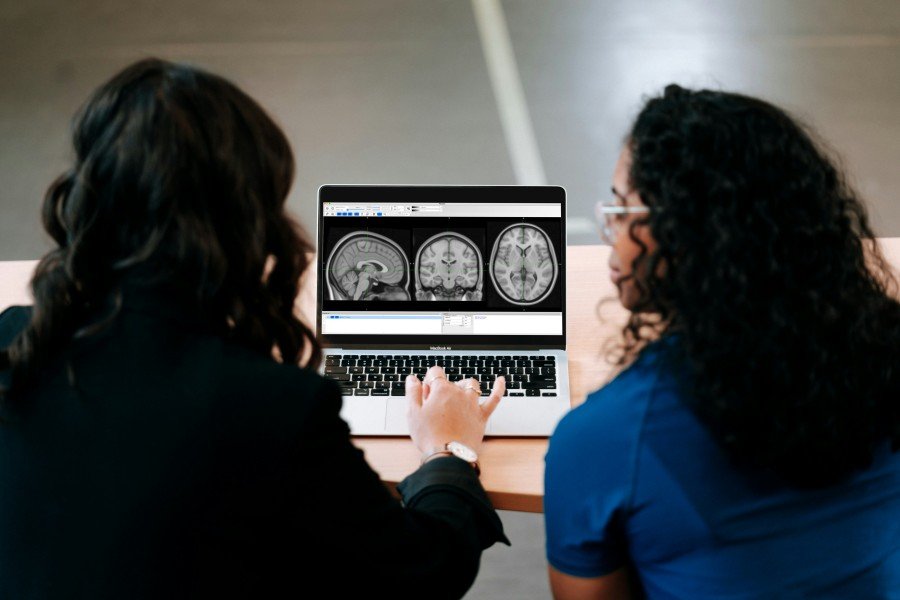
When Should You Consider Neurotherapy in Delhi? Signs to Know
Living with recurring pain, stress, reduced mobility, or other persistent health concerns can affect almost every part of daily life. While conventional medical care remains essential for diagnosis and treatment, some people also explore complementary approaches that focus on the relationship between the nervous system, body function, and overall well-being. Neurotherapy in Delhi is one such approach that people may consider as part of an individualized wellness or supportive care plan. However, knowing when it may be appropriate is important. Neurotherapy should not replace urgent medical care or evidence-based treatment for a diagnosed condition. Instead, an informed approach begins with understanding your symptoms and discussing suitable options with a qualified healthcare professional.
For more information, connect with us on WhatsApp.
You may consider neurotherapy when persistent pain, stress-related symptoms, muscle tension, mobility concerns, or other recurring problems affect your daily routine and you want to explore a complementary approach. However, unexplained or severe symptoms require proper medical assessment first. Neurotherapy should complement—not replace—appropriate diagnosis and conventional medical treatment.
What Is Neurotherapy?
Neurotherapy generally refers to therapeutic approaches that focus on the nervous system and its relationship with bodily functions. Depending on the practitioner and specific method used, sessions may involve techniques intended to support relaxation, neuromuscular function, body awareness, or overall regulation.
The term can describe different approaches, so patients should ask a practitioner exactly what technique they use, what it aims to address, and what evidence supports the proposed benefits.
Importantly, neurotherapy is not a universal treatment for every neurological or medical condition. A responsible practitioner should assess your concerns, understand your medical history, and explain what the therapy can realistically offer.
Signs You May Consider Neurotherapy in Delhi
1. Persistent Muscle Tension or Discomfort
Ongoing muscle tightness can make sitting, working, exercising, or sleeping uncomfortable. If muscle tension continues despite appropriate self-care, you may wish to discuss complementary approaches with a healthcare professional.
Neurotherapy may be explored by some individuals as part of a broader strategy for managing discomfort and improving functional well-being.
2. Recurring Stress and Physical Tension
Stress can affect more than emotional well-being. It may contribute to muscle tension, headaches, poor sleep, fatigue, and difficulty relaxing.
If stress repeatedly affects your physical comfort, a comprehensive approach may include sleep improvement, physical activity, relaxation techniques, psychological support where appropriate, and other complementary therapies.
3. Reduced Mobility or Functional Difficulties
Changes in movement can have many causes, including injuries, musculoskeletal problems, neurological conditions, or prolonged inactivity.
If you notice stiffness or difficulty performing everyday movements, start with an appropriate clinical assessment. Depending on the underlying cause, physiotherapy, rehabilitation, medication, lifestyle changes, or other treatments may be recommended. Neurotherapy may sometimes be considered as a complementary option rather than the primary treatment.
4. Recurrent Headaches or Other Discomfort
Frequent headaches deserve attention, particularly when they interfere with work, sleep, or normal activities.
Before trying any complementary therapy, it is important to identify possible causes. A healthcare professional can assess your symptoms and determine whether further investigation is necessary.
5. You Want a Complementary Wellness Approach
Some people seek Neurotherapy in Delhi because they prefer a broader approach to health and wellness. This can be reasonable when expectations remain realistic and the therapy forms part of a responsible care plan.
A good practitioner should encourage appropriate medical evaluation rather than suggesting that one therapy can solve every health problem.
Conditions That Need Medical Assessment First
Not every symptom is suitable for a complementary therapy-first approach. Certain symptoms can indicate a medical emergency and require immediate evaluation.
Get immediate medical help if you suddenly experience weakness or numbness, especially on one side of your body.
- Sudden loss of strength or sensation on one side of the body requires prompt medical evaluation.
- Sudden difficulty speaking or understanding speech
- Sudden loss of vision or severe visual changes
- A sudden, unusually severe headache
- New seizures or loss of consciousness
- Severe chest pain or difficulty breathing
- Sudden confusion or significant changes in alertness
These symptoms can occur with serious conditions, including stroke and other emergencies. Do not delay medical care while trying a complementary therapy.
How to Approach Neurotherapy Safely
If you are considering neurotherapy, take a few practical steps before beginning.
Discuss Your Medical History
Tell the practitioner about existing diagnoses, medications, previous injuries, surgeries, and ongoing treatments. Complete information helps prevent inappropriate recommendations.
Understand the Proposed Therapy
Ask what the session involves, what outcome it is intended to support, how progress will be assessed, and whether there are potential risks or limitations.
Be cautious of anyone who promises a guaranteed cure or advises you to stop prescribed medication without consulting your treating doctor.
Keep Evidence-Based Treatment in Place
If you already receive treatment for a neurological, musculoskeletal, or other medical condition, discuss complementary therapy with your healthcare team. Coordinated care can help ensure that different treatments do not conflict.
Set Realistic Goals
Rather than expecting an instant cure, consider measurable goals such as improved comfort, relaxation, movement, sleep quality, or ability to perform everyday activities. Your goals should depend on the underlying problem and professional assessment.
What Happens During a Neurotherapy Consultation?
The exact process varies because neurotherapy can encompass different techniques. Typically, an initial consultation should begin with a discussion about your symptoms, health history, daily routine, and treatment goals.
The practitioner may then explain the proposed approach and what you can reasonably expect from sessions.
A trustworthy consultation should also include appropriate boundaries. If your symptoms suggest a condition requiring medical diagnosis or specialist care, you should be directed to the relevant healthcare professional rather than encouraged to continue complementary treatment alone.
Choosing Neurotherapy in Delhi: What Should You Look For?
Delhi has many healthcare and wellness providers, so choosing carefully matters. Before starting treatment, consider:
- The practitioner’s qualifications and relevant training
- Whether they clearly explain their therapeutic approach
- Whether they take a proper health history
- Whether they provide realistic expectations
- Whether they recognize when referral to a doctor is necessary
- Whether they respect your existing medical treatment
- Whether the clinic follows appropriate hygiene and patient-safety practices
You should feel comfortable asking questions before committing to a treatment plan.
Why Individual Assessment Matters
Two people can experience similar symptoms for completely different reasons. For example, back discomfort may relate to posture, muscle strain, an injury, or another underlying condition. Likewise, headaches may have numerous possible causes.
Therefore, a personalized assessment is more useful than choosing a therapy solely because it worked for someone else. A qualified professional can help determine whether neurotherapy is appropriate as part of your overall care.
Conclusion
Knowing when to explore Neurotherapy in Delhi starts with understanding your symptoms and keeping realistic expectations. Persistent muscle tension, stress-related physical discomfort, mobility concerns, or recurring symptoms may encourage some people to explore complementary care. However, unexplained, severe, or sudden symptoms should always receive appropriate medical evaluation first.
If you are considering neurotherapy, choose a qualified practitioner who takes your medical history seriously, explains the approach clearly, and works within appropriate healthcare boundaries. Most importantly, view neurotherapy as a potential part of a broader wellness or supportive-care plan rather than a replacement for necessary medical treatment. Taking an informed, individualized approach can help you make a safer decision about your next step.