Neurotherapy in Aligarh vs Conventional Treatment: Understanding the Difference
People searching for Neurotherapy in Aligarh often want to understand how it differs from conventional medical treatment before deciding what type of care may be appropriate. They may also want to know whether neurotherapy can complement standard treatment for pain, mobility concerns, stress-related symptoms, or other health issues. The important point is that these approaches are not necessarily interchangeable. Conventional medicine uses established diagnostic and treatment methods, while neurotherapy may be offered as a complementary or alternative wellness approach. Understanding the differences can help patients make informed decisions and avoid delaying appropriate medical care.
For more information, connect with us on WhatsApp.
Neurotherapy in Aligarh and conventional treatment differ mainly in their approach. Conventional medicine relies on medical diagnosis, medicines, physiotherapy, procedures, or surgery when appropriate. Neurotherapy may use non-invasive, practitioner-guided techniques intended to support the body’s response and overall well-being. The suitable approach depends on the individual’s condition and medical needs.
What Is Neurotherapy?
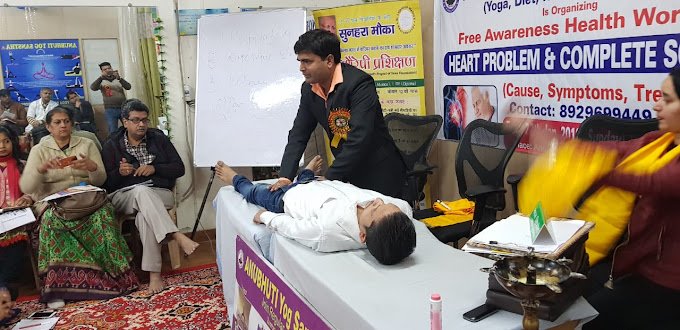
Neurotherapy is a complementary approach that focuses on the relationship between the nervous system, body functions, and overall well-being. Depending on the practitioner and method used, sessions may involve specific stimulation, pressure, touch, or other techniques intended to influence physiological responses.
It is important to understand that the term “neurotherapy” can describe different practices. Therefore, patients should ask the practitioner about the exact technique being used, its intended purpose, expected benefits, limitations, and available evidence.
Neurotherapy should not automatically be considered a replacement for diagnosis or treatment provided by a qualified medical professional.
What Does Conventional Treatment Involve?
Conventional treatment begins with identifying the underlying health problem. Depending on symptoms, a doctor may use a medical history, physical examination, laboratory tests, imaging, or other diagnostic methods.
Treatment can then include one or more of the following:
- Prescription medicines
- Physiotherapy and rehabilitation
- Lifestyle and dietary recommendations
- Injections or other procedures
- Specialist consultations
- Surgery when medically indicated
- Psychological or behavioural support when appropriate
This approach aims to diagnose a condition and select treatment according to established clinical practices.
Neurotherapy in Aligarh vs Conventional Treatment: Key Differences
Understanding the differences can make a consultation more productive.
1. Treatment Philosophy
Conventional medicine generally focuses on identifying a specific disease, injury, or medical condition and treating it using clinically established methods.
Neurotherapy may take a broader complementary approach, focusing on nervous-system responses, body function, relaxation, or perceived balance depending on the method used.
However, the philosophy behind a treatment should not be confused with proof of effectiveness. Patients should consider the quality of evidence supporting any therapy.
2. Diagnosis
Conventional healthcare places strong emphasis on diagnosis. For example, persistent back pain could result from muscle strain, nerve compression, arthritis, injury, or another condition. Each cause may require a different treatment plan.
A neurotherapy session should not replace appropriate medical assessment when symptoms could indicate an underlying condition.
3. Medicines and Procedures
Conventional treatment may involve medicines, injections, procedures, or surgery when necessary.
Neurotherapy generally focuses on non-drug techniques. This may appeal to people who are exploring complementary approaches, but avoiding medicines or procedures without medical advice can be risky when a condition genuinely requires them.
4. Evidence and Clinical Monitoring
Many conventional treatments have been evaluated through clinical research and incorporated into established medical guidelines.
The evidence for neurotherapy can vary significantly depending on the specific technique and condition being addressed. Therefore, patients should ask what evidence supports the proposed treatment rather than assuming that every neurotherapy method has the same level of scientific support.
Can Neurotherapy and Conventional Care Be Used Together?
In some situations, people may explore a complementary therapy alongside conventional healthcare. However, this decision should be made carefully.
For example, someone undergoing physiotherapy for a musculoskeletal problem may also be interested in complementary wellness practices. The treating healthcare professional should know about all therapies being used, particularly if the patient has a chronic illness or takes regular medication.
Most importantly, complementary care should not delay evaluation of serious or worsening symptoms.
When Should You Seek Conventional Medical Care First?
Certain symptoms deserve prompt medical evaluation rather than relying only on complementary therapy.
Seek appropriate medical attention for symptoms such as:
- Sudden weakness or numbness
- Difficulty speaking or understanding speech
- Loss of consciousness
- Severe or sudden headache
- Chest pain or breathing difficulty
- New problems with walking or coordination
- Serious injury or trauma
- Persistent or rapidly worsening pain
- Loss of bladder or bowel control
These symptoms can sometimes indicate urgent medical conditions. A qualified healthcare professional can determine whether immediate investigation or treatment is necessary.
How to Choose a Neurotherapy Provider in Aligarh
If you are considering Neurotherapy in Aligarh, look beyond promotional claims. A responsible practitioner should explain what the therapy involves and what it can realistically be expected to do.
Before starting, consider asking:
- What specific neurotherapy technique do you use?
- What is the purpose of the proposed treatment?
- What evidence supports its use for my concern?
- Who will assess my symptoms?
- Should I also consult a doctor or specialist?
- What should I expect during and after a session?
- Are there situations in which the therapy should be avoided?
Clear answers can help you make a more informed choice.
What Should Patients Expect From a Consultation?
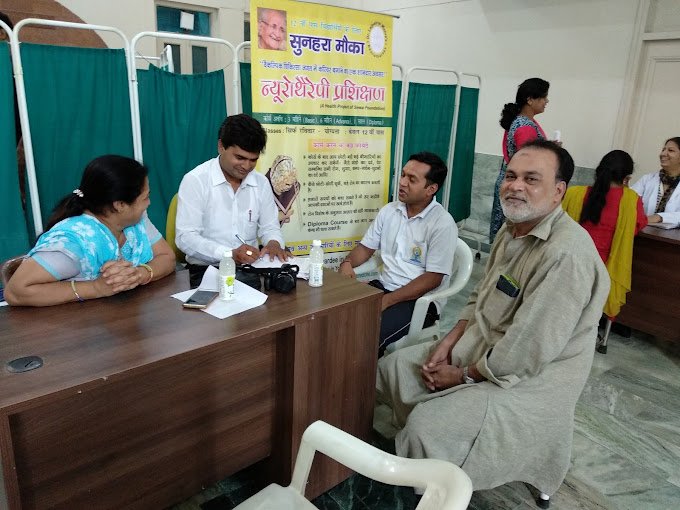
A good consultation should begin with understanding your concerns rather than immediately recommending a treatment.
Share relevant information about your symptoms, previous diagnoses, medicines, allergies, and ongoing treatments. If you have already consulted a doctor, carrying relevant reports can also provide useful context.
The practitioner should explain the proposed approach, its limitations, and when medical referral may be necessary. You should also feel comfortable asking questions before agreeing to a treatment plan.
Making an Informed Treatment Decision
There is no single treatment approach that suits every health concern. Conventional medicine can be essential for diagnosing and managing medical conditions, while some people may explore complementary therapies as part of their broader wellness routine.
The safest approach is to match treatment to the actual health problem. Consider the diagnosis, severity of symptoms, available evidence, possible risks, and advice from qualified healthcare professionals.
If you are researching Neurotherapy in Aligarh, take time to understand the specific therapy being offered rather than choosing a treatment based only on the name or advertised benefits.
Frequently Asked Questions
1. How is neurotherapy different from conventional medical treatment?
Neurotherapy and conventional treatment may differ in their underlying methods and goals. Conventional healthcare focuses on medical diagnosis and established treatments such as medicines, physiotherapy, procedures, or surgery. Neurotherapy may use practitioner-guided complementary techniques. The evidence and methods can vary, so patients should evaluate the specific therapy rather than making assumptions about neurotherapy as a whole.
2. Can neurotherapy replace medicines prescribed by a doctor?
Neurotherapy should not be used as a reason to stop prescribed medicines without medical advice. Medicines may control or treat important underlying conditions, and suddenly discontinuing some medications can cause harm. If you are interested in complementary therapy, discuss it with your treating doctor and the neurotherapy practitioner so that your overall care remains coordinated.
3. Is Neurotherapy in Aligarh suitable for everyone?
No therapy is automatically suitable for everyone. The appropriate approach depends on the person’s symptoms, medical history, existing diagnosis, medications, and overall health. People with new, severe, unexplained, or worsening symptoms should seek an appropriate medical assessment first. A qualified practitioner can then explain whether complementary care is reasonable in that particular situation.
4. What should I ask before choosing a neurotherapy centre?
Ask about the practitioner’s qualifications, the exact technique used, the purpose of treatment, expected outcomes, possible risks, and evidence supporting the approach. You should also ask when the practitioner recommends medical referral. Transparent answers are important because the term neurotherapy can refer to different techniques and does not describe one standardized medical treatment.
5. Where can I learn more about neurotherapy services in Aligarh?
Start by reviewing the provider’s information about its treatment approach, practitioner qualifications, consultation process, and scope of services. A direct consultation can help you understand whether the approach is appropriate for your concern. If you have an existing medical condition, discuss complementary treatment with your regular healthcare professional as well.
Conclusion
Choosing between Neurotherapy in Aligarh and conventional treatment should begin with understanding the health concern, not simply selecting a therapy by name. Conventional medicine plays an important role in diagnosis and evidence-based management, while some people may explore neurotherapy as a complementary approach.
Before starting any treatment, ask what the therapy involves, what evidence supports it, what its limitations are, and whether medical assessment is necessary. Most importantly, do not delay appropriate medical care for serious or unexplained symptoms. If you are considering neurotherapy, a detailed consultation from Dr. Nawal Kishore can help you understand your options and decide on a responsible next step based on your individual needs.