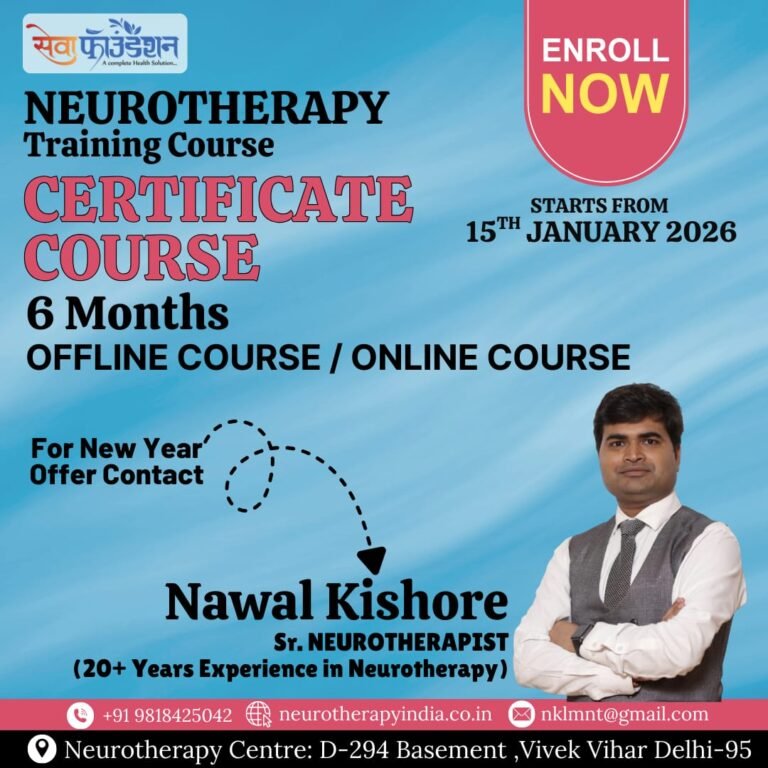
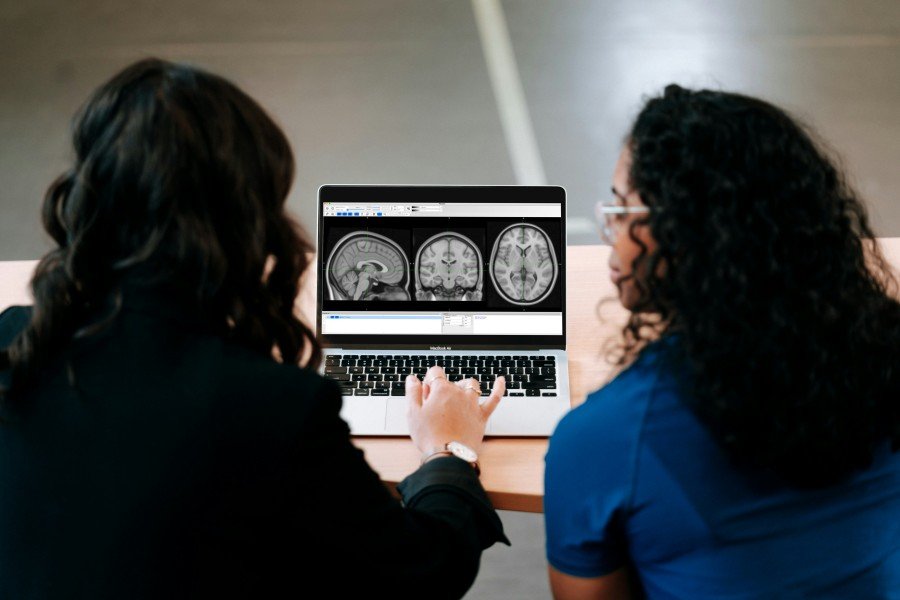
Understanding the Benefits of Neurotherapy Treatment in Vivek Vihar
People often look for supportive approaches when they experience persistent pain, stiffness, reduced mobility, stress-related discomfort, or other health concerns. Neurotherapy treatment in Vivek Vihar is one approach that focuses on the relationship between the nervous system and different functions of the body. It is generally discussed as a complementary wellness approach rather than a replacement for medically necessary diagnosis or treatment. Understanding what neurotherapy involves can help you make a more informed decision. However, the right approach depends on your symptoms, medical history, and professional assessment.
For more information, connect with us on WhatsApp.
Neurotherapy is a complementary approach that focuses on the body’s nervous system and its relationship with physical and functional well-being. Potential benefits may include relaxation, improved body awareness, and support for managing certain discomforts. Results vary, so an individualized assessment and appropriate medical guidance remain important.
What Is Neurotherapy?
Neurotherapy refers to approaches that focus on the nervous system and its interaction with the body. Practitioners may assess areas such as reflex responses, muscle function, posture, movement patterns, and other physical signs before developing an individualized approach.
The nervous system plays a central role in movement, sensation, coordination, and many automatic body functions. Therefore, approaches that focus on neurological and neuromuscular responses may aim to support overall functional balance.
It is important to distinguish complementary neurotherapy practices from established medical treatments for neurological diseases. Conditions involving the brain, spinal cord, or peripheral nerves may require diagnosis and management by a qualified medical professional.
Potential Benefits of Neurotherapy Treatment in Vivek Vihar
The experience and outcome of any complementary therapy can differ from person to person. Depending on the individual’s concerns and assessment, neurotherapy may be considered as part of a broader wellness or rehabilitation plan.
Some commonly discussed potential benefits include:
- Support for relaxation: Certain hands-on approaches may help people feel more relaxed.
- Body awareness: Therapy may encourage greater awareness of posture, movement, and physical responses.
- Support for mobility: Some people seek complementary approaches alongside exercises or rehabilitation for movement-related concerns.
- Management of everyday discomfort: Individuals may explore neurotherapy as one component of a broader strategy for dealing with non-specific physical discomfort.
- Stress management: Relaxation-focused sessions may support general well-being for some individuals.
- Individualized care: A practitioner can tailor the approach according to the person’s reported concerns and physical observations.
These potential benefits should not be interpreted as guaranteed treatment outcomes. Evidence for complementary therapies can vary by technique and condition. Therefore, patients should discuss persistent or concerning symptoms with an appropriate healthcare professional.
How Does a Neurotherapy Session Work?
The exact process varies according to the practitioner and the specific approach used. However, an initial consultation commonly involves understanding your concerns and relevant health history.
1. Initial Assessment
The practitioner may ask about your symptoms, daily activities, previous treatments, and general health. Sharing relevant information helps establish whether the approach is appropriate.
2. Understanding Physical Responses
Depending on the practice, the practitioner may observe posture, movement, muscle responses, or reflex-related signs. This information can help guide the session.
3. Individualized Session
The practitioner may use specific stimulation, pressure, touch, or other techniques associated with their neurotherapy approach. The methods should be explained clearly before treatment begins.
4. Progress Review
Your response to sessions should be monitored rather than assuming that a fixed number of visits will work for everyone. If symptoms continue, worsen, or change, further medical evaluation may be necessary.
Who May Consider Neurotherapy?
Adults sometimes explore complementary therapies for concerns such as general muscular discomfort, stress, stiffness, or functional difficulties. However, suitability depends on the individual.
People with diagnosed neurological conditions, unexplained weakness, sudden numbness, severe headaches, seizures, loss of coordination, or rapidly changing symptoms should seek appropriate medical assessment rather than relying solely on complementary therapy.
Similarly, symptoms such as sudden facial weakness, difficulty speaking, sudden vision problems, or sudden weakness on one side of the body can indicate a medical emergency. Seek urgent medical care in such situations.
How to Choose a Neurotherapy Practitioner in Vivek Vihar
Choosing a practitioner requires more than simply searching for the nearest clinic. Consider the following factors:
Training and qualifications: Ask about the practitioner’s relevant education, training, and professional experience.
Clear communication: A responsible practitioner should explain what the therapy involves, what it can and cannot do, and what you should expect.
Individual assessment: Avoid approaches that promise the same result for every person. Your symptoms and health history matter.
Transparent information: Treatment costs, session duration, and recommended follow-up should be communicated clearly.
Appropriate referrals: A trustworthy practitioner should recommend medical evaluation when symptoms fall outside the scope of complementary care.
What Should You Expect During Treatment?
Keep realistic expectations. Neurotherapy should not be presented as a guaranteed cure for chronic diseases or neurological disorders.
Before beginning, tell the practitioner about existing diagnoses, medications, previous procedures, injuries, and other relevant health information. Also, ask questions if you do not understand a technique or recommendation.
Most importantly, do not discontinue prescribed medication or delay a medical consultation because you are receiving complementary therapy.
Why Local Access Can Make Follow-Up Easier
For residents of Vivek Vihar and nearby East Delhi areas, choosing a conveniently located therapy centre can make regular appointments easier to manage. Consistent follow-up may be practical when a treatment plan involves multiple sessions or progress monitoring.
However, convenience should remain only one consideration. Practitioner credentials, communication, appropriate assessment, hygiene, and responsible treatment practices are equally important.
Frequently Considered Questions Before Starting
Although every person’s situation is different, prospective patients often want to know whether neurotherapy is suitable for their particular concern, how sessions are conducted, and what results they might reasonably expect.
A good consultation should answer these questions without making unrealistic promises. It should also clarify when conventional medical care, physiotherapy, rehabilitation, or specialist evaluation may be more appropriate.
Conclusion
Neurotherapy treatment in Vivek Vihar may be considered by people looking for a complementary approach to support relaxation, body awareness, mobility, and general well-being. However, its suitability and results can vary considerably between individuals. A responsible approach starts with understanding your symptoms, reviewing your health history, and choosing Nawal Kishore who communicates clearly about the therapy’s scope and limitations. For persistent, severe, or unexplained symptoms, appropriate medical evaluation should always come first. If you are considering neurotherapy in Vivek Vihar, schedule a professional consultation to discuss your concerns and understand whether this approach fits into your overall healthcare or wellness plan.