Neurotherapy Treatment in Punjab: A Natural Solution for Nerve and Muscle Pain
Living with persistent nerve or muscle pain can affect every part of your daily life. Simple activities like walking, sitting, sleeping, or lifting objects may become difficult over time. While medications often provide temporary relief, many people now seek natural and non-invasive therapies that address the root cause of pain rather than just masking symptoms. Neurotherapy treatment in Punjab has become a preferred option for individuals looking for safe, drug-free pain management and long-term wellness.
Whether you experience chronic back pain, neck stiffness, sciatica, joint discomfort, or muscle tension, neurotherapy focuses on restoring the body’s natural healing process. By improving blood circulation, stimulating nerve function, and reducing muscle tightness, this therapy supports recovery without surgery or dependence on painkillers.
Neurotherapy treatment in Punjab is a natural, non-invasive therapy that helps reduce nerve and muscle pain by improving blood circulation, stimulating nerve function, and restoring the body’s healing ability. It offers a safe alternative for people seeking long-term pain relief without surgery or excessive medication.
What Is Neurotherapy?
Neurotherapy is a natural healing technique that focuses on identifying and treating the underlying causes of pain. Instead of suppressing symptoms, it works by improving communication between nerves, muscles, and blood vessels.
The therapy involves applying controlled pressure to specific points on the body. These pressure points stimulate blood circulation, improve nerve response, and relax tight muscles. As a result, the body begins repairing damaged tissues more efficiently.
Unlike invasive procedures, neurotherapy does not rely on injections, surgery, or long-term medication. Consequently, many people choose it as part of a holistic pain management plan.
Benefits of Neurotherapy Treatment in Punjab for Nerve and Muscle Pain
People suffering from chronic pain often experience reduced mobility and lower quality of life. Fortunately, neurotherapy offers several potential benefits that support overall health and recovery.
Some important advantages include:
- Natural and drug-free pain relief
- Improved blood circulation
- Better nerve function
- Reduced muscle stiffness
- Increased flexibility and mobility
- Faster recovery from muscular strain
- Enhanced posture and body balance
- Lower dependence on pain medication
Moreover, regular therapy sessions may help improve overall physical well-being while supporting the body’s natural healing mechanisms.
Conditions That Neurotherapy May Help Manage
Although every patient requires an individual assessment, neurotherapy is commonly used as part of supportive care for several musculoskeletal and nerve-related conditions.
These may include:
- Chronic back pain
- Neck pain
- Sciatica
- Frozen shoulder
- Muscle spasms
- Joint stiffness
- Knee pain
- Cervical and lumbar discomfort
- Sports injuries
- Postural imbalance
- General muscular fatigue
However, treatment recommendations should always depend on a proper clinical evaluation.
How Neurotherapy Treatment in Punjab Supports Natural Recovery
One of the biggest strengths of neurotherapy is its focus on improving the body’s natural healing process rather than simply reducing symptoms.
During therapy, trained practitioners stimulate specific pressure points that influence blood vessels, muscles, and nerves. Consequently, oxygen and nutrients reach affected tissues more effectively. Improved circulation also helps remove metabolic waste from injured areas.
At the same time, relaxed muscles place less pressure on nearby nerves. As inflammation decreases, many individuals notice gradual improvements in comfort, flexibility, and movement.
Furthermore, better muscle coordination may reduce recurring strain and improve posture, helping prevent future discomfort.
What Happens During a Neurotherapy Session?
A typical neurotherapy session begins with a detailed assessment of your symptoms, lifestyle, posture, and movement patterns.
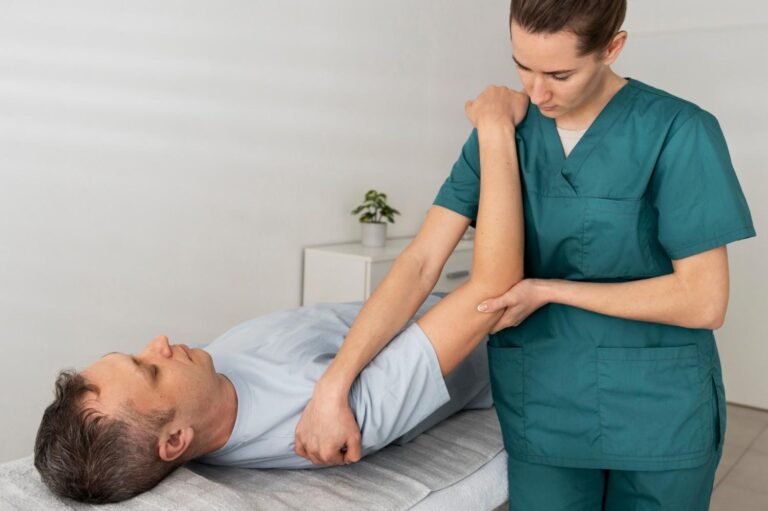
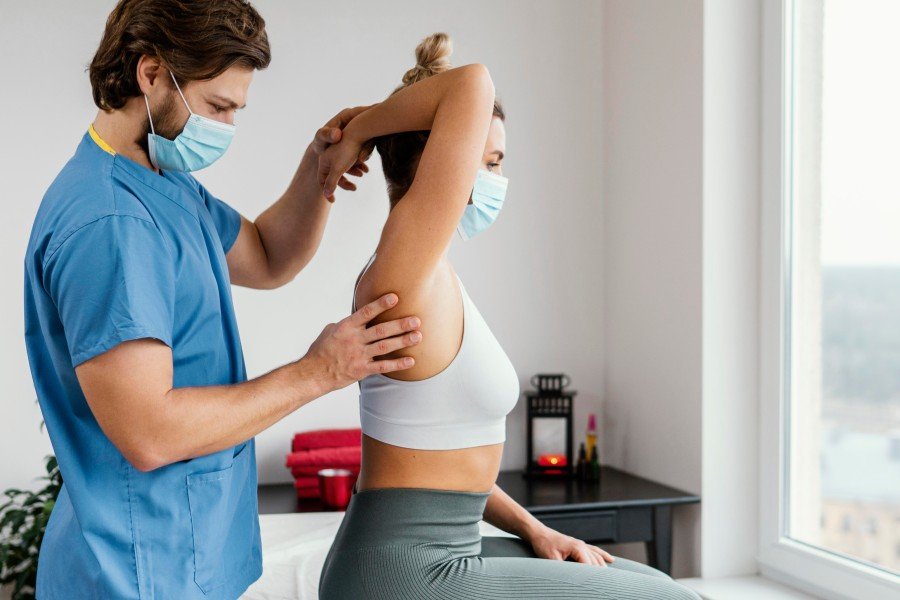
The practitioner then identifies affected muscles, nerves, and pressure points. Controlled manual pressure is applied using the hands without surgical instruments or needles.
Most sessions last between 30 and 60 minutes, depending on the condition being treated.
After treatment, some individuals feel immediate relaxation, while others experience gradual improvement over multiple sessions. Therefore, consistency often plays an important role in achieving long-term results.
Why Many People Prefer Natural Pain Management
Modern lifestyles contribute significantly to muscle tension and nerve-related discomfort. Long working hours, poor posture, limited physical activity, and repetitive movements often increase the risk of chronic pain.
Natural therapies offer several advantages because they aim to improve overall body function rather than temporarily blocking pain signals.
Additionally, neurotherapy encourages healthier movement patterns, improved circulation, and muscle relaxation. These combined effects may support long-lasting relief while promoting better physical health.
As awareness of holistic healthcare continues to grow, more individuals are exploring non-invasive treatment options before considering surgical intervention.
Best Practices for Better Results
Although neurotherapy supports natural healing, patients should also follow healthy lifestyle habits to maximize treatment outcomes.
Consider these practical recommendations:
- Maintain proper posture while working.
- Stay physically active with gentle exercises.
- Stretch regularly to improve flexibility.
- Drink enough water throughout the day.
- Follow a balanced, nutrient-rich diet.
- Get adequate sleep for tissue repair.
- Avoid prolonged sitting whenever possible.
- Follow your therapist’s recommended treatment schedule.
Likewise, discussing your medical history with your practitioner helps ensure that treatment remains appropriate for your individual needs.
Choosing the Right Neurotherapy Practitioner
The effectiveness of neurotherapy depends greatly on the experience and knowledge of the practitioner.
Before beginning treatment, look for professionals who:
- Conduct a detailed physical assessment
- Explain the treatment plan clearly
- Maintain proper hygiene standards
- Personalize therapy according to your condition
- Encourage realistic recovery expectations
- Monitor progress throughout treatment
An experienced practitioner focuses not only on symptom relief but also on identifying the factors contributing to recurring pain.
The Growing Demand for Neurotherapy in Punjab
Interest in natural healthcare continues to grow across Punjab. Many individuals now seek conservative treatment options before choosing surgery or long-term medication.
People dealing with office-related posture problems, sports injuries, age-related muscle pain, and chronic nerve discomfort increasingly recognize the value of holistic therapies.
As healthcare awareness expands, neurotherapy continues gaining attention because it combines manual techniques with the body’s own healing ability. Therefore, it serves as an excellent complementary approach for many individuals managing chronic musculoskeletal conditions.
Conclusion
Living with nerve or muscle pain should not prevent you from enjoying an active and comfortable life. Neurotherapy treatment in Punjab offers a natural, non-invasive approach that focuses on improving circulation, restoring nerve function, and supporting the body’s own healing process instead of merely masking symptoms. Moreover, when combined with healthy lifestyle habits, proper posture, regular exercise, and guidance from a qualified practitioner, neurotherapy may contribute to long-term pain management and improved mobility. If you are searching for a safe, holistic option to address chronic discomfort, exploring neurotherapy treatment in Punjab with an experienced professional could be an important step toward better physical health, enhanced movement, and a higher quality of life.