A Beginner’s Guide to Neurotherapy Treatment in Jhilmil for Common Health Concerns
If you are exploring complementary approaches for pain, stiffness, mobility concerns, or general physical well-being, you may have come across neurotherapy. Neurotherapy treatment in Jhilmil is a term used by people looking for approaches that focus on the relationship between the nervous system, muscles, and different body functions. Before starting any therapy, however, it is important to understand what it involves and when professional guidance is appropriate.
For more information, connect with us on WhatsApp.
Neurotherapy treatment in Jhilmil is a complementary therapy approach that may use hands-on pressure, stimulation, or related techniques to support physical comfort and well-being. Its suitability depends on the individual’s symptoms and medical history. It should complement, rather than replace, appropriate medical diagnosis and treatment when healthcare evaluation is required.
What Is Neurotherapy?
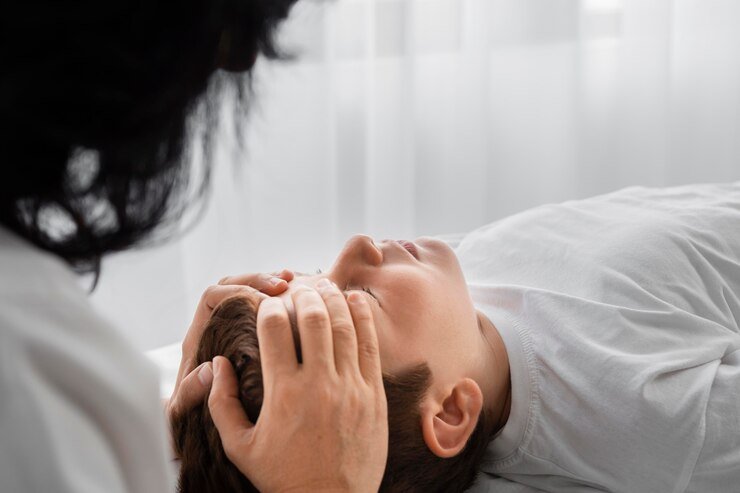
Neurotherapy is a complementary therapy approach that generally uses pressure, stimulation, massage-like techniques, or other physical methods at specific areas of the body. Practitioners may aim to influence the body’s responses through the nervous system and related physiological pathways.
The exact techniques and treatment philosophy can vary between practitioners. It is therefore important to ask a qualified practitioner what approach they use, what it is intended to address, and what evidence supports it.
Neurotherapy should not automatically be considered a replacement for medical diagnosis or conventional treatment. For persistent or unexplained symptoms, an appropriate medical assessment remains important.
Neurotherapy Treatment in Jhilmil: What Can It Be Used For?
People may explore neurotherapy for a variety of concerns, particularly when they are seeking complementary support for physical discomfort or functional difficulties.
Depending on the individual’s condition and the practitioner’s assessment, commonly discussed concerns may include:
- Muscle stiffness and general body discomfort
- Certain types of back or neck discomfort
- Joint-related discomfort
- Stress-related muscle tension
- Mobility and flexibility concerns
- General relaxation and physical well-being
- Supportive care during rehabilitation
However, the suitability of neurotherapy depends on the individual’s symptoms, medical history, and existing treatment plan. A therapy that may be appropriate for one person may not be suitable for another.
Why Individual Assessment Matters
There is no single treatment plan that works for everyone. A responsible practitioner should first understand your symptoms, relevant medical history, previous treatments, and current concerns.
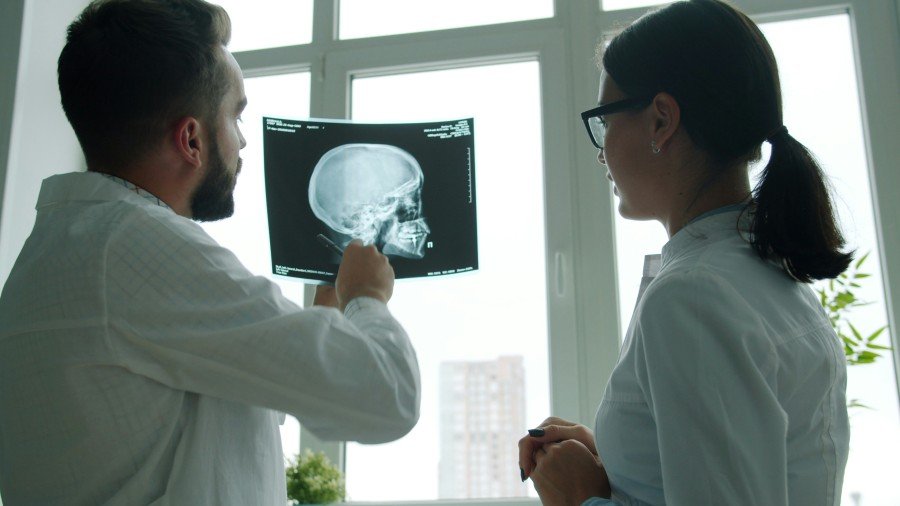
This assessment can also help identify situations where another healthcare professional should evaluate the problem first. For example, sudden weakness, severe unexplained pain, loss of sensation, difficulty speaking, chest pain, or other serious symptoms require appropriate medical attention rather than relying on complementary therapy.
What Happens During a Neurotherapy Session?
Your first session may begin with a discussion about your symptoms and health history. The practitioner may ask when the problem started, what makes it better or worse, and whether you are already receiving medical treatment.
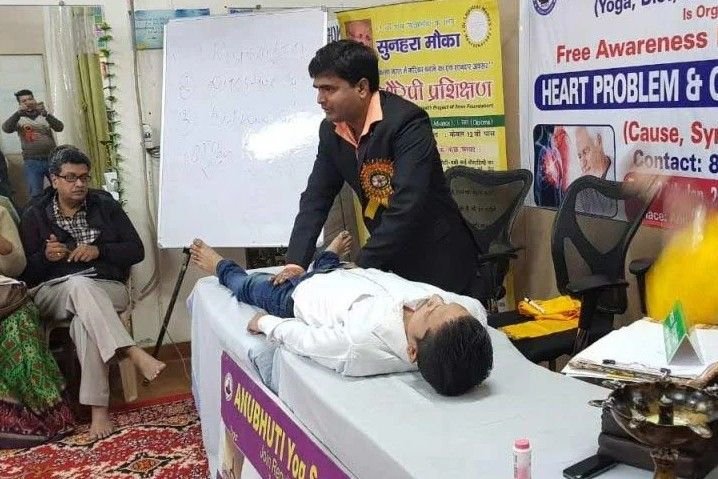
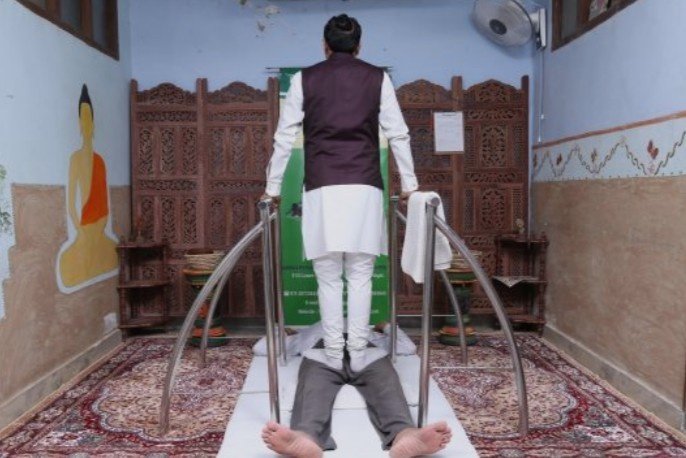
The physical part of a session depends on the practitioner’s method. Some approaches involve applying pressure or stimulation to selected areas, while others may involve different hands-on techniques.
You should be told what the practitioner plans to do before treatment begins. If a technique causes significant pain, dizziness, unusual discomfort, or another concerning reaction, tell the practitioner immediately.
A good session should also allow you to ask questions. Understanding the purpose and expected duration of treatment can help you make a more informed decision.
Potential Benefits and Limitations
Some people seek complementary therapies because they want additional support alongside their existing healthcare. Depending on the individual and the type of therapy used, people may report benefits such as relaxation, reduced muscle tension, or improved comfort.
However, individual experiences do not establish that a therapy will work for everyone. Scientific evidence can vary considerably depending on the specific neurotherapy technique and health condition being addressed.
It is also important to avoid claims that neurotherapy can cure every disease or replace necessary medical treatment. A trustworthy provider should explain both the potential benefits and the limitations of the approach.
Who Should Be Cautious?
Not every person is an appropriate candidate for hands-on or stimulation-based therapy. Extra caution may be necessary for people with certain medical conditions, recent injuries, unexplained neurological symptoms, infections, or other health concerns.
If you are pregnant, recovering from surgery, taking medicines that affect bleeding, or managing a significant medical condition, discuss the therapy with your healthcare professional before beginning a new treatment.
Most importantly, do not delay medical evaluation for symptoms that could indicate an urgent condition.
How to Choose a Neurotherapy Practitioner in Jhilmil
Finding a practitioner is about more than choosing the nearest clinic. Consider the following points before beginning treatment:
Ask about qualifications and experience: Understand the practitioner’s training and experience with the type of concern you want to address.
Discuss your symptoms clearly: Share relevant medical information, previous diagnoses, medicines, and treatments. This allows the practitioner to consider whether the approach is appropriate.
Ask about the treatment plan: Find out how sessions are structured, how frequently they may be recommended, and how progress will be monitored.
Look for realistic communication: Be cautious of providers who guarantee cures or claim that one technique can treat every condition.
Check whether coordination with medical care is needed: Complementary therapy should fit safely alongside necessary healthcare rather than interfere with it.
For people searching locally, choosing a practitioner who takes time to understand the individual’s needs can make the treatment experience more informed and comfortable.
How Can You Prepare for Your First Session?
A little preparation can make your first appointment more useful. Write down your main symptoms, when they began, and any activities that affect them. Also make a list of relevant medicines, previous treatments, and medical conditions.
Wear comfortable clothing if the session involves physical assessment or hands-on techniques. Most importantly, communicate openly during the appointment. Tell the practitioner if you experience pain or discomfort and ask about anything you do not understand.
After the session, follow the practitioner’s instructions and monitor how you feel. If symptoms worsen or new concerning symptoms appear, seek appropriate medical advice.
When Should You See a Doctor Instead?
Neurotherapy should not be used to postpone evaluation of potentially serious symptoms. Seek prompt medical attention for symptoms such as sudden weakness or numbness, severe or rapidly worsening pain, fainting, difficulty breathing, chest pain, sudden confusion, seizures, or significant changes in speech or vision.
For ongoing symptoms without an established diagnosis, a doctor or relevant healthcare professional can help determine the underlying cause and recommend appropriate treatment. Complementary therapy can then be considered, where suitable, as part of an overall care plan.
Making an Informed Choice About Neurotherapy
For beginners, the most important step is to understand what a particular neurotherapy approach involves rather than assuming that every practitioner uses the same method. Ask questions, discuss your health history, and maintain realistic expectations. If you are considering Neurotherapy treatment in Jhilmil, use your consultation to understand whether the approach is suitable for your specific concerns. A patient-focused practitioner should be willing to explain the techniques, expected goals, limitations, and when additional medical evaluation may be needed.
Frequently Asked Questions
What is neurotherapy treatment used for?
Neurotherapy may be explored as a complementary approach for concerns such as muscle tension, certain types of discomfort, stiffness, and general physical well-being. The techniques and proposed uses can differ between practitioners. Anyone with persistent, unexplained, or serious symptoms should receive an appropriate medical assessment rather than relying on complementary therapy alone.
Is neurotherapy suitable for everyone?
No, neurotherapy is not necessarily suitable for everyone. Suitability depends on the person’s symptoms, medical history, current medicines, injuries, and other health factors. People with significant medical conditions or unexplained neurological symptoms should discuss complementary treatment with an appropriate healthcare professional before starting.
What should I expect during my first neurotherapy session?
A first session commonly involves discussing your symptoms, health history, and treatment goals before any physical technique is performed. The practitioner should explain the proposed approach and give you an opportunity to ask questions. The exact techniques, session length, and treatment plan can vary depending on the practitioner and your individual needs.
How do I choose a neurotherapy practitioner in Jhilmil?
Look for a practitioner who clearly explains their training, treatment approach, expected goals, and limitations. Ask how they assess new clients and whether they consider existing medical conditions and treatments. Avoid providers who guarantee cures or suggest that complementary therapy can replace necessary medical care.
Can neurotherapy replace medical treatment?
Neurotherapy should not be assumed to replace medically indicated treatment. Complementary approaches may sometimes be considered alongside conventional healthcare, depending on the individual’s circumstances. If symptoms are severe, persistent, unexplained, or potentially urgent, seek evaluation from an appropriate medical professional before relying on complementary therapy.
Conclusion
Neurotherapy can be considered by people seeking a complementary approach to physical discomfort, muscle tension, stiffness, mobility concerns, or general well-being. However, its suitability depends on the individual, the specific technique being offered, and the underlying health concern. It should not replace appropriate medical diagnosis or treatment when these are needed.
If you are considering Neurotherapy treatment in Jhilmil, start by discussing your symptoms and medical history with Dr. Nawal Kishore. Ask about the proposed techniques, treatment goals, limitations, and expected follow-up. Taking this informed approach can help you choose care that is appropriate for your needs while keeping your overall health and safety at the centre of the decision.